

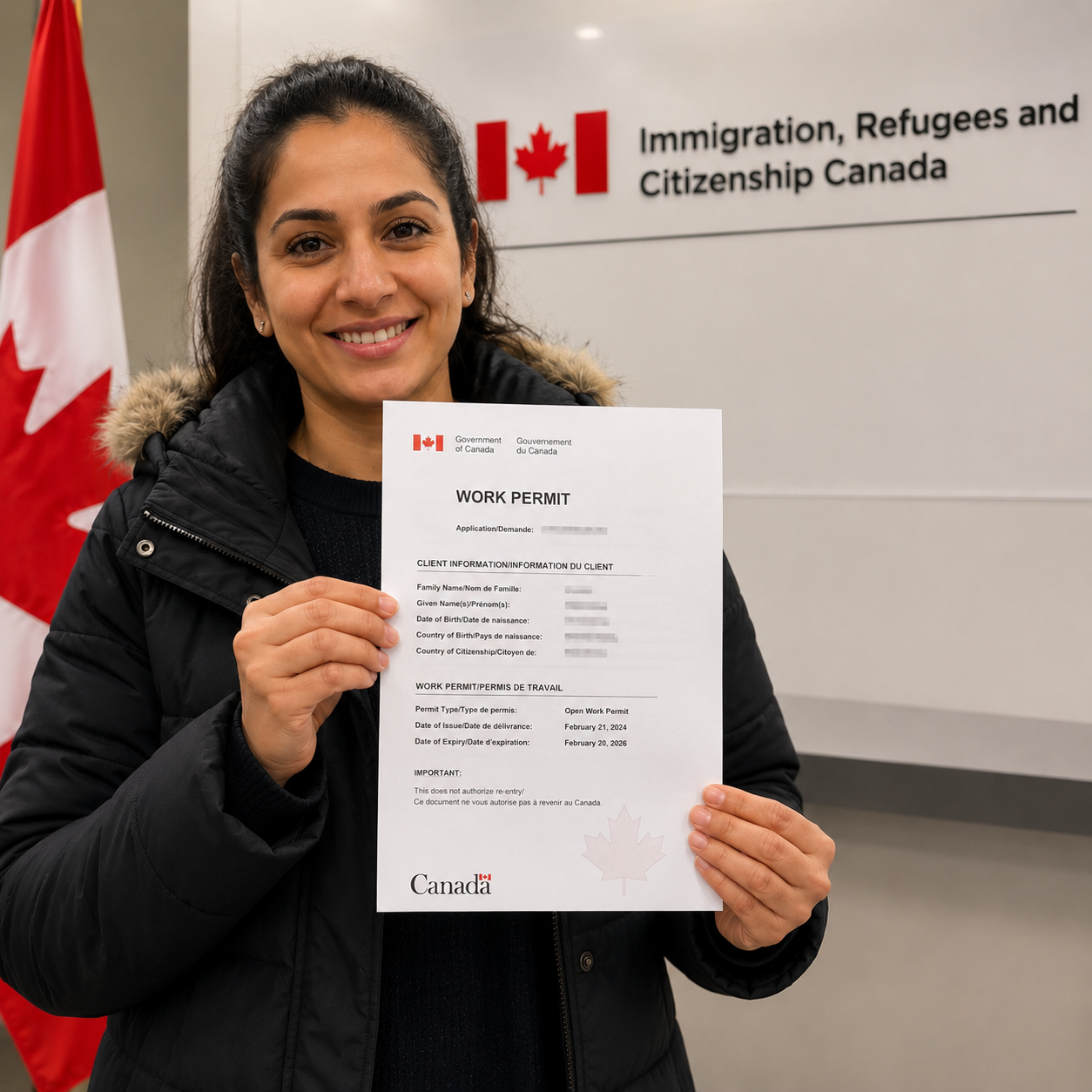


No, as of March 2025, the Caregiver PR Pathway is paused. However, applications submitted before the pause are still being assessed.
Important Notice: The Caregiver PR Pathway program is currently paused. After a single intake round in March 2025, Immigration, Refugees and Citizenship Canada (IRCC) has announced that no new applications are being accepted at this time. Applicants already in process will continue to be assessed.
Canada has long recognized the essential contribution of caregivers to our society and economy. For decades, pathways have existed to allow foreign nationals to work in Canada as caregivers and eventually transition to permanent residence. These programs are designed not just to fill labor shortages, but to welcome those who provide vital care to children, the elderly, and those with medical needs into the Canadian family.
Navigating the shifting landscape of caregiver immigration requires deep historical knowledge and up-to-the-minute expertise. At Career Plus Immigration, this is one of our strongest areas of practice. We have successfully guided countless nannies, childcare providers, and home support workers through the complex journey from temporary work permits to permanent residence. Our extensive history with these programs means we understand the nuances that can make or break an application.

The road to permanent residence for caregivers has undergone significant changes over the years. Understanding this evolution is key to understanding your current options.
The Live-In Caregiver Program (LCP)
For many years, the LCP was the gold standard. It allowed caregivers to come to Canada if they had an employer and agreed to live in the employer’s home. After completing 24 months of authorized live-in work, caregivers could apply for permanent residence.
Transition to LMIA-Based Work Permits
As the LCP phased out, the focus shifted to standard work permits supported by a Labour Market Impact Assessment (LMIA). Caregivers no longer had a mandatory live-in requirement, which reduced vulnerability to abuse, but the clear pathway to PR became more fragmented. Caregivers had to rely on “Caring for Children” or “Caring for People with High Medical Needs” pilots, which had strict caps and higher criteria.
The 2019 Pilot Programs
In 2019, the government launched two five-year pilot programs: the Home Child Care Provider Pilot and the Home Support Worker Pilot. These were game-changers because:
In 2024, the caregiver pilot programs were renewed for an additional five years, intended to run until 2029. However, after a single intake round in March 2025, Immigration, Refugees and Citizenship Canada (IRCC) announced the program is now paused and is not currently accepting new applications.
As of June 2024, the 2019 pilot programs have concluded. Immigration, Refugees and Citizenship Canada (IRCC) has announced intentions to make these pilot programs permanent and introduce new pathways, but as of this moment, the previous intake caps have been reached or the pilots have expired.

While specific criteria change with each pilot launch, the core requirements for caregiver permanent residence generally focus on three pillars:
Qualifying Work Experience:
Language Proficiency:
Education:
While many consultants dabble in various immigration streams, Career Plus Immigration has built a niche stronghold in caregiver applications.


The rules for caregivers are currently in a state of transition. Relying on outdated advice or “word of mouth” from friends can be disastrous. You need a legal team that understands the history of the program and monitors daily changes in government policy.
At Career Plus Immigration, your journey is our expertise. We honor the care you provide to others by providing you with the highest standard of legal care. Let us help you secure the permanent residence you have earned.


 Trustindex verifies that the original source of the review is Google.
 Trustindex verifies that the original source of the review is Google.
 Trustindex verifies that the original source of the review is Google.
 Trustindex verifies that the original source of the review is Google.
 Trustindex verifies that the original source of the review is Google.
 Trustindex verifies that the original source of the review is Google.
 Trustindex verifies that the original source of the review is Google.
 Trustindex verifies that the original source of the review is Google.
 Trustindex verifies that the original source of the review is Google.
 Trustindex verifies that the original source of the review is Google.
Is the Caregiver PR Pathway currently accepting new applications?
No, as of March 2025, the Caregiver PR Pathway is paused. However, applications submitted before the pause are still being assessed.
What types of work qualify as relevant experience for the Caregiver PR Pathway?
Eligible experience is usually in occupations like child care (NOC 4411/44100) or home support work (NOC 4412/44101). Experience as a foster parent or housekeeper does not typically count.
How long does my work experience need to be to apply for permanent residence?
Most recent pilot programs require at least 12 months of full-time, authorized Canadian work experience in an eligible caregiver occupation.
Can my family come with me while I work in Canada as a caregiver?
Yes,under the pilot programs, spouses/common-law partners may be eligible for open work permits, and dependent children may be able to study in Canada.
What happens if my work permit expires before I meet the requirements?
It’s critical to seek timely legal advice. There may be public policies or restoration options available, but these are often time-sensitive and case-specific.
Do I need to complete an Educational Credential Assessment (ECA)?
If your post-secondary education was obtained outside Canada, you must complete an ECA to prove that your credential is equivalent to a Canadian qualification.
How can Career Plus Immigration help me with the Caregiver PR Pathway?
Our expert team offers step-by-step guidance, helps you track your eligibility, assists with application preparation, and advocates for you through every stage of the process.